

A pet health checkup is a full review of your animal’s physical condition, habits, preventive care, and risk factors—not simply a vaccine appointment. By understanding each examination step, preparing the right information, and matching visit frequency to age and health, you can arrange care before small changes become serious problems.
Key takeaways
- Routine checkups assess weight, teeth, skin, heart, lungs, mobility, and lifestyle risks.
- Bring medication details, vaccine records, stool samples, and a list of new symptoms.
- Puppies and kittens need frequent visits; healthy adults usually need annual exams.
- Bloodwork is useful for seniors, ongoing illness, medication monitoring, and unexplained changes.
What happens during a routine pet health checkup?
A pet health checkup is a preventive review, not just a vaccine appointment. During a routine wellness exam, veterinary doctors look for early disease, assess lifestyle risks, and establish a baseline for future visits.
| Appointment type | Purpose | What to do |
|---|---|---|
| Routine wellness exam | Preventive assessment of a stable pet | Schedule it before illness appears |
| Sick visit | Investigation of a new, non-life-threatening change | Book a prompt consultation |
| Emergency consultation | Immediate assessment of a potentially serious problem | Contact a veterinary service without waiting |
The veterinarian first asks about appetite, thirst, urination, stool, activity, sleep, behaviour, medicines, diet, and recent changes at home. Cats that hide, groom less, stop jumping, or use the litter tray differently need attention even when they do not look ill.
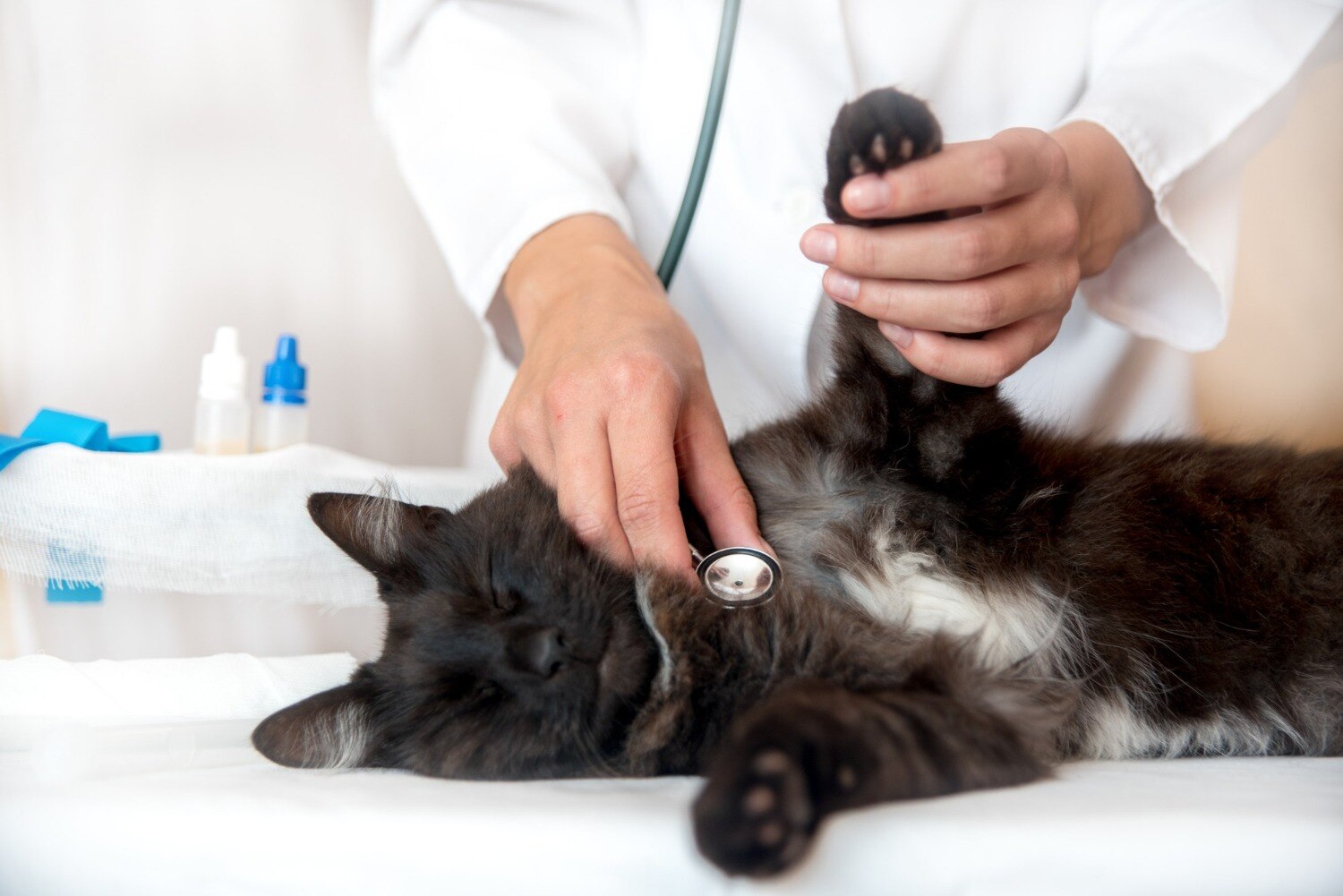
The physical examination includes:
- Weight, body-condition score, and muscle condition; the same weight can hide obesity or muscle loss.
- Temperature, heart rate, respiratory rate, hydration, gum colour, and general behaviour.
- Palpation of the lymph nodes and abdomen for enlargement, pain, masses, or abnormal organs.
- Assessment of joints, posture, mobility, and gait.
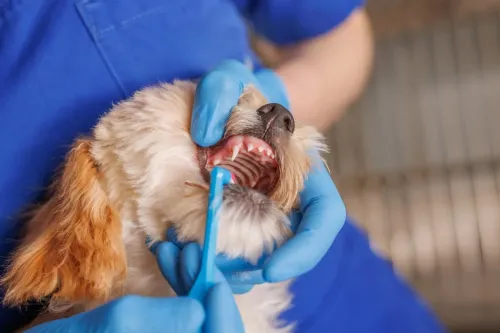
- Examination of the ears, eyes, skin, coat, mouth, and teeth.
- Neurologic or urogenital assessment when the history or examination indicates it.
The doctor may recommend tests after these findings, but a normal examination does not make breathing difficulty, collapse, seizures, uncontrolled bleeding, repeated vomiting, inability to urinate, or sudden severe weakness safe to monitor at home. Pet hospitals handle routine reviews, while acute signs require urgent advice.
How should you prepare for the appointment?
Bring information that shows your pet’s health between visits, not just the vaccination record. Note dates for parasite prevention and deworming, list every current medicine and supplement, and write down the food, treats, feeding amounts, and recent travel, boarding, daycare, or wildlife exposure.
- Record changes in appetite, thirst, urination, stool, mobility, grooming, sleep, or behaviour. For cats, include hiding, reduced jumping, altered grooming, or inappropriate elimination; these can signal illness before obvious symptoms appear.
- Photograph skin lesions, unusual stool, swelling, or dental changes. Take videos of intermittent coughing, limping, scratching, unusual breathing, seizures, or altered movement because a recording can show timing and severity that words miss.
- Bring medication containers or clear labels, your pet’s microchip details, and questions about reproductive planning, nutrition, dental care, exercise, and home risks.
The veterinarian will use this history to tailor core vaccines and rabies requirements rather than giving every available vaccine automatically. The plan may also cover flea and tick control, heartworm risk, microchipping, and other parasite prevention based on geography, outdoor access, travel, contact with animals, and boarding.
A pet that rarely goes outside can still encounter fleas and ticks. Ask which booster interval and heartworm strategy fit your pet’s species, lifestyle, and previous records.
How often should puppies, adult pets, seniors, and exotic pets be checked?
Puppy visits and kitten visits usually occur every three to four weeks during the primary vaccine series. This schedule allows the veterinarian to track growth, discuss parasite control, and give vaccines at the correct intervals instead of delaying protection until one annual appointment.
Healthy adult pets generally need at least one preventive examination each year. That is a starting point, not a universal rule: outdoor access, boarding, travel, wildlife contact, vaccine history, parasite exposure, and local disease risks can require more frequent reviews.
Many senior pets benefit from examinations about every six months. Dogs and cats age at different rates, and breed and body size matter; large-breed dogs and animals with shorter lifespans may need closer monitoring earlier than smaller or longer-lived animals.
Cats often hide illness, so report reduced jumping, altered grooming, hiding, appetite changes, or inappropriate elimination.
Arrange a shorter interval when your pet has chronic disease, takes long-term medicines, or shows changes in appetite, thirst, urination, stool, mobility, breathing, or behaviour.
- Schedule exotic companion animals according to species-specific needs, diet, enclosure or habitat, temperature, and husbandry; a bird, rabbit, reptile, and ferret do not share one timetable.
- Ask about faecal testing frequency separately from deworming, especially for young animals, hunters, scavengers, travellers, or pets living with people vulnerable to zoonotic infection.
- Bring forward the appointment when a scheduled review falls after a persistent change at home.
When does a pet checkup need bloodwork or other tests?
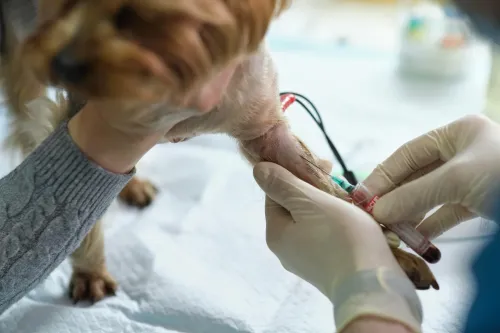
A veterinarian can learn a great deal from your pet’s history and physical examination, but those findings cannot measure kidney function, detect every parasite, or reveal silent disease. Additional testing is justified when the result will change treatment, monitoring, or the safety of a planned procedure.
1. Screening tests check an apparently healthy pet for hidden problems or establish a baseline. For a senior animal, testing is risk-based rather than a universal battery: age, breed, lifestyle, examination findings, and medical history may support a complete blood count, serum chemistry, urinalysis, blood pressure measurement, thyroid testing, or imaging.
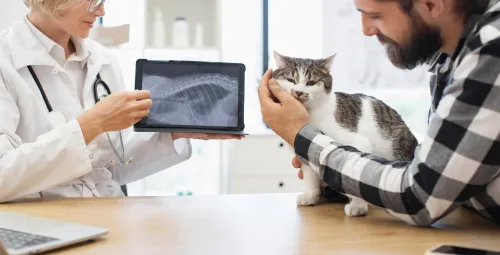
2. Diagnostic tests investigate a specific concern. Vomiting, weight loss, increased thirst, abnormal gums, a heart murmur, or changes in urination can prompt blood tests, urinalysis, faecal testing, radiographs, ultrasound, or an ECG. Faecal testing does not replace deworming; frequency depends on age, outdoor access, hunting, animal contact, travel, and local parasite risk.
3. Pre-anaesthetic bloodwork helps assess procedure risk alongside the examination, medication history, age, and planned operation. An abnormal result can lead to stabilisation, further testing, a changed anaesthetic plan, or postponement; a normal result cannot guarantee anaesthetic safety.
4. Testing has costs beyond the fee: travel, restraint, stress, sedation, false-positive results, repeat testing, and investigations triggered by an unexpected abnormality. Ask what question each test answers, what happens after an abnormal result, and whether the result will change your pet’s care.
Which appointment does your pet need right now?
Choose the appointment by urgency, not by the date of the last annual checkup. Use a scheduled wellness examination for prevention, vaccines, risk review, and a stable condition. Book a sick visit for a new change that is worrying but not immediately life-threatening.
| Appointment | What it means | When it applies |
|---|---|---|
| Wellness examination | Preventive review and monitoring | Your pet is well, or an existing condition is stable |
| Sick visit | Examination of a new, non-emergency problem | Reduced appetite, vomiting, diarrhoea, itching, limping, altered urination, hiding, reduced jumping, or inappropriate elimination |
| Emergency consultation | Prompt triage and treatment advice | Difficulty breathing, collapse, repeated vomiting, inability to urinate, uncontrolled bleeding, seizures, or sudden severe weakness |
Do not wait for the annual appointment after an emergency sign. Call for an emergency consultation and follow the veterinary clinic’s instructions about transport.
Cats often conceal illness. Persistent hiding, reduced jumping, altered grooming, appetite changes, or inappropriate elimination deserves assessment even when your cat seems quiet rather than distressed; ask cat doctors for advice. Dog doctors can also compare subtle changes against previous records, especially in older dogs or pets with chronic disease.
A local hospital such as Pet Care Hospital- Best Pet Clinic in Dwarka can maintain ongoing records, arrange follow-up examinations, and escalate to bloodwork or imaging when a finding warrants it.
Frequently asked questions
What happens during a routine pet health checkup?
A veterinary doctor reviews your pet’s history, diet, behavior, parasite prevention, and vaccinations, then checks body condition, weight, eyes, ears, mouth, skin, coat, lymph nodes, heart, lungs, abdomen, joints, and mobility.
How should you prepare for a pet checkup?
Bring vaccination and medical records, current medication names and doses, recent test results, and a written list of symptoms or behavior changes. Ask whether your pet should fast and bring a fresh stool sample if requested.
How often should puppies, adult pets, seniors, and exotic pets be checked?
Puppies and kittens need visits during their vaccination and growth schedule. Healthy adult dogs and cats commonly need at least one wellness exam each year. Senior pets and animals with chronic conditions benefit from more frequent reviews, while exotic pets need species-specific schedules set by a veterinarian.
When does a pet checkup need bloodwork or other tests?
Testing is considered when your pet is a senior, has symptoms or abnormal examination findings, takes long-term medication, needs anaesthesia, or has a chronic condition. Tests can include a complete blood count, serum chemistry, urinalysis, fecal testing, imaging, or species-specific screening.
Which appointment does your pet need right now?
Book a routine wellness visit for prevention or an overdue exam. Request a sick-pet consultation for new symptoms. Seek urgent veterinary care for breathing difficulty, collapse, seizures, uncontrolled bleeding, repeated vomiting, severe pain, or suspected poisoning.