
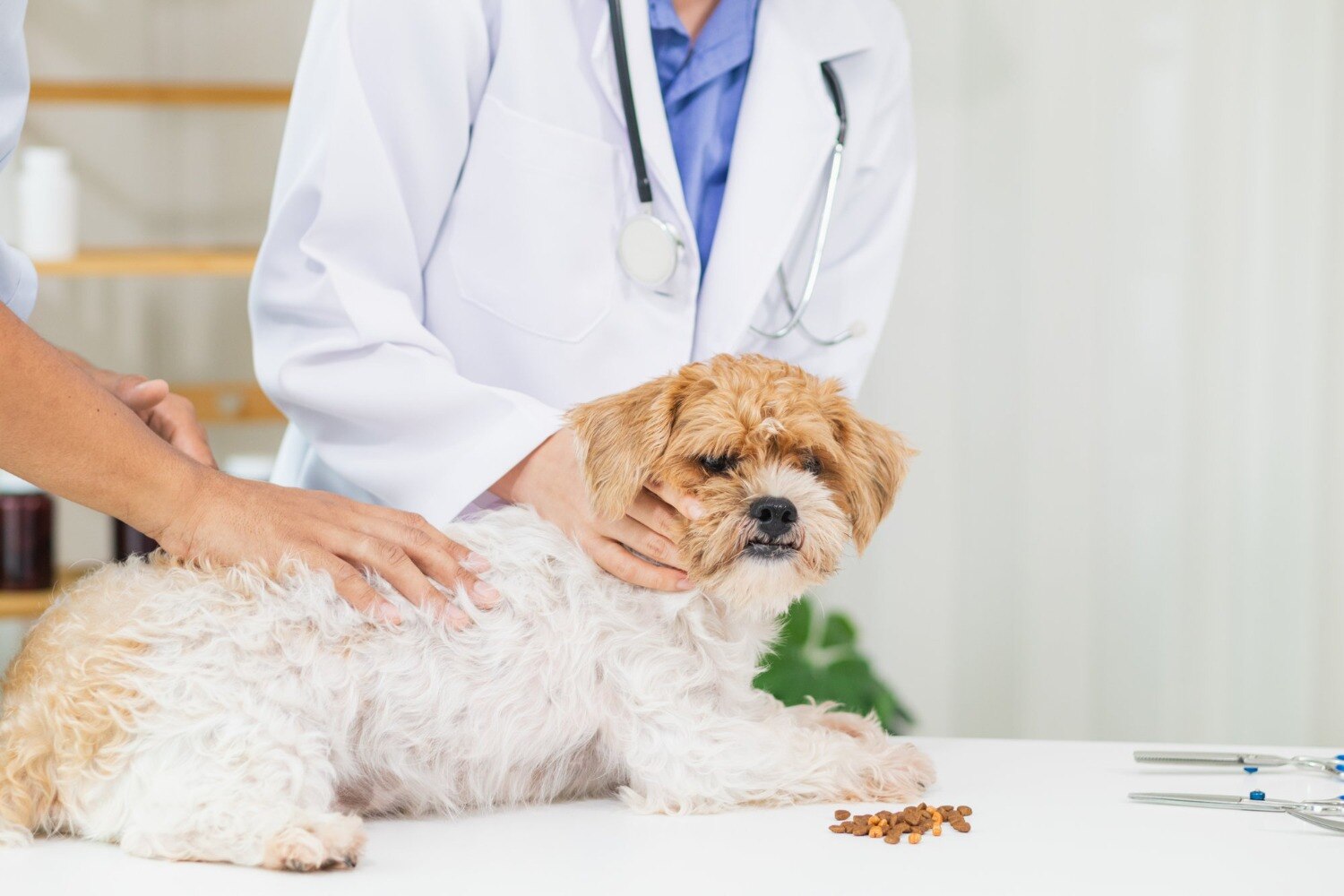
A convenient location is not enough if the hospital cannot treat your pet’s species, monitor anaesthesia, manage deterioration after hours, or explain its fees. Use the checks below to compare hospitals on credentials, equipment, hygiene, staffing, communication, and the practical details that affect your pet’s safety.
Key takeaways
- Confirm the hospital treats your pet’s species, breed, and emergency needs.
- Ask which tests and specialist services happen onsite and which are referred.
- Request details on anaesthesia monitoring, recovery checks, and overnight supervision.
- Get a written estimate, medication plan, warning signs, and follow-up schedule.
Can this hospital safely treat my pet and remain accessible when I need it?
A hospital can safely treat your pet only if it has the right species expertise and a clear plan for emergencies. Use your first call to confirm care for your animal’s species and breed, including dogs, cats, rabbits, birds, reptiles, and other exotic companions.
Ask which veterinarian has relevant experience, whether a qualified veterinarian will attend the appointment, and whether an exotic pet veterinarian is available.
Use this veterinary hospital checklist:
- Ask how appointments are booked, the usual length of a routine consultation, and whether walk-ins are accepted.
- Request exact emergency hours. Ask whether a veterinarian and trained support staff remain physically present overnight, or whether critical patients transfer elsewhere.
- Check rush-hour travel time, parking, public transport, and whether staff give advice before arrival.
- Verify the doctor’s name and registration number with the State Veterinary Council; check Veterinary Council of India records where applicable. This is essential for veterinarian registration India checks.
- Ask how quickly test results arrive, who calls about treatment changes, and whether you receive written instructions and medical records.
Emergency wording can hide important differences:
| Claim | Ask what it means | Risk |
|---|---|---|
| Emergency service | Urgent appointments during stated daytime hours | No overnight treatment |
| Overnight care | Veterinarian and trained staff physically present | Confirm monitoring frequency |
| Referral cover | Stabilisation followed by transfer | Ask the facility’s name and travel time |
If the hospital claims AAHA accreditation, ask which specific location holds it and which body issued it. AAHA accreditation is voluntary and hospital-specific; its absence alone does not prove poor care.
Are important tests and specialist services performed here or sent elsewhere?
Ask for a written list of on-site capabilities and referral arrangements before your pet becomes ill. Find out whether blood testing for pets and urine testing veterinarian services are performed in-house, sent to a reference laboratory, or handled through both routes.
| Option | What it means | Advantage |
|---|---|---|
| In-house analyser | The sample is processed at the hospital | Faster results for urgent decisions |
| Reference laboratory | The sample is transported to an external laboratory | Broader testing and specialist interpretation |
| Both methods | Routine tests stay in-house; selected samples travel | Speed for emergencies with wider options when needed |
In-house veterinary diagnostics are not automatically more accurate. Ask whether analysers have documented quality-control checks, who reviews abnormal or critical results, and when you will receive them.
Check for digital pet radiography, veterinary ultrasound, endoscopy for pets, oxygen support, and equipment to stabilise a critical animal while results are pending. Ask what happens after hours if the hospital cannot provide continuous treatment.
- Ask whether the advertised specialist is employed there, visits on set days, or receives a veterinary specialist referral.
- Verify additional supervised training and specialty-board credentials through the relevant specialty college.
- Ask who sends records and images, who makes the referral, and whether follow-up continues after transfer.
A clear process shows a functioning care network, not a service list built around unnamed outside providers.
What should I ask about anaesthesia, surgery, and recovery monitoring?
Before consenting to surgery, ask how the team assesses anaesthetic risk for your pet and the planned procedure. The plan should reflect a physical examination, medical history, medication review, and appropriately selected pre-anaesthetic bloodwork. A blood panel cannot replace that assessment.
Ask whether staff place an intravenous catheter when indicated and monitor your pet throughout anaesthesia and recovery.
Ask these specific questions:
- Who provides pet anaesthesia monitoring, and is a trained person dedicated to the patient rather than handling unrelated tasks?
- Will monitoring include pulse oximetry for pets, blood-pressure monitoring, ECG monitoring, temperature monitoring, and active warming?
- If gas anaesthesia is used, what is the full monitoring process? The gas agent alone does not demonstrate safe care.
- How is pain assessed before, during, and after surgery, and what is included in post-operative pain management?
- Does treatment combine suitable options such as local anaesthetic, anti-inflammatory medication, opioid or other analgesic drugs, and non-drug support?
| Ask about | Reassuring answer | Warning sign |
|---|---|---|
| Recovery observation | A trained person watches until discharge criteria are met | The pet is left unattended |
| Discharge timing | Staff explain observation length and signs that delay release | Discharge is automatic |
| Home deterioration | You receive a named contact and clear escalation instructions | No after-hours plan |
Ask who reviews abnormal results and how they change the anaesthetic plan. You should leave knowing how long observation lasts, which breathing, bleeding, vomiting, weakness, or pain signs require help, and whom to call if your pet worsens at home.
How can I judge hygiene and overnight hospitalisation standards?
A clean reception proves little; judge veterinary hospital hygiene by watching workflow, not décor. During your visit, check that examination tables are cleaned between patients, waste leaves promptly, and sharps disposal uses rigid, labelled containers. Surgical instruments should be packaged and sterilised, not stored loose.
Ask these infection control for pets questions:
- How are contagious cases identified, marked, and separated? Is there a separate waiting or examination area for contagious animal isolation when feasible?
- Which surfaces are disinfected, how often are high-touch areas cleaned, and how are cages emptied, washed, disinfected, and dried between patients?
- Who provides in-patient care overnight, and is a veterinary nurse or another trained staff member physically present?
For overnight pet monitoring, ask how frequently staff record vital signs, pain, appetite, urine output, and breathing. Confirm how often you receive updates, whether you can speak to the attending veterinarian, and what happens if the pet deteriorates after hours.
| After-hours plan | What it means | Ask for |
|---|---|---|
| Hospital treatment overnight | Staff can intervene immediately | Who is physically present |
| On-call clinician | A clinician responds when called | Response time and treatment location |
| Transfer to a 24-hour facility | The pet leaves for continued care | Facility address and record, medication, and monitoring transfer |
A specific answer is more reassuring than a promise of attentive care.
Will the treatment estimate and follow-up plan let me make an informed decision?
Get a written veterinary treatment estimate before approving tests, hospitalisation, or surgery. A pet surgery cost estimate should separate the consultation, each diagnostic test, medicines, intravenous fluids, anaesthesia, surgery, consumables, hospitalisation, pain control, follow-up examination, and take-home treatment.
| Category | What the document should show | Question to ask |
|---|---|---|
| Consultation and diagnosis | Consultation fee and each test priced separately | Are taxes included? |
| Treatment and procedure | Medicines, fluids, anaesthesia, surgery, consumables, and pain control | Is this the full stay, or are there hospitalisation charges for pets by day, night, cage, or treatment level? |
| Changing findings | High and low totals when examination findings affect the final cost | Will staff call before adding imaging, extending hospitalisation, removing an unexpected mass, or changing medication? |
This written veterinary informed consent record should state the deposit, accepted payment methods, refund policy for cancelled procedures, and charges for rechecks or complications. Ask who authorises extra work; do not assume a verbal estimate sets a spending limit.
Before leaving, obtain the diagnosis or working diagnosis, medicine names and doses, administration times, activity and feeding instructions, warning signs, follow-up instructions, measurable monitoring targets for chronic disease, recheck timing, and a named contact. Request copies of pet medical records.
Pet Care Hospital- Best Pet Clinic in Dwarka is one hospital you can compare using this checklist: ask its team to explain estimate changes, referral arrangements, anaesthesia monitoring, and overnight staffing in writing. Choose the hospital whose answers are specific and easy to follow.
Frequently asked questions
How can I check whether a veterinary hospital can treat my pet?
Ask whether the hospital regularly treats your pet’s species and breed, including rabbits, birds, reptiles, or other exotic companions. Confirm its emergency arrangements and opening hours before you need urgent care.
Should important tests and specialist services be available onsite?
Ask which services are performed at the hospital, such as blood testing, imaging, surgery, and specialist consultations. If a service is referred elsewhere, ask who performs it, how results are shared, and how quickly it is available.
What should I ask about anaesthesia and surgery?
Ask who will administer anaesthesia, which monitoring equipment is used, how pain is controlled, and how your pet is observed during recovery. Request clear instructions about feeding, medication, activity, and warning signs after discharge.
How do I judge hygiene and overnight hospitalisation standards?
Look for clean examination areas, separated waste, suitable isolation for infectious patients, and secure kennels or cages. Ask who checks hospitalised animals overnight, how often they are assessed, and what happens if a patient deteriorates.
What should a veterinary treatment estimate and follow-up plan include?
Request an itemised estimate covering consultation, tests, medicines, anaesthesia, hospitalisation, surgery, and follow-up. Confirm which costs require approval, when results will be discussed, and the date or condition that triggers the next review.