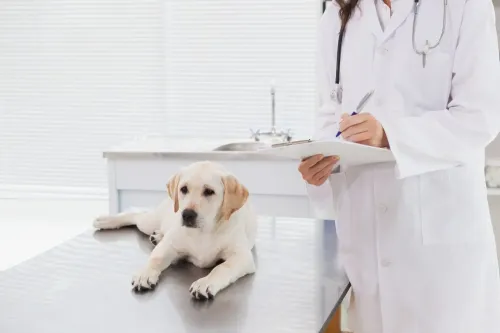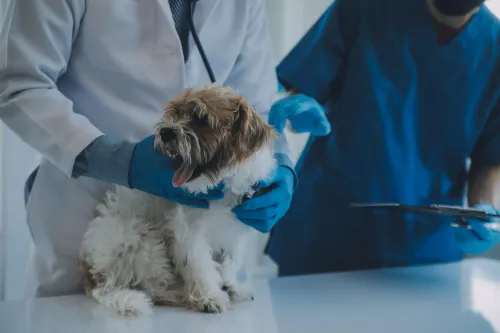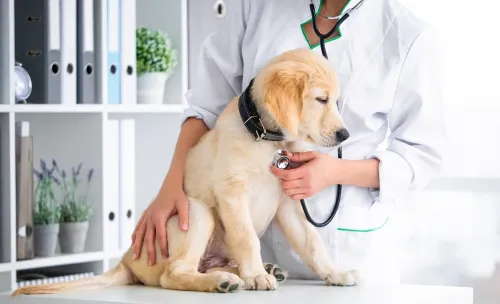


A routine pet health checkup is a structured assessment, not simply a vaccine appointment or a quick look at your animal. Knowing what happens, what information to bring, and which warning signs change the timing will help you choose the right appointment and respond faster when something is wrong.
Key takeaways
- Book puppy and kitten checkups every 3–4 weeks until core vaccinations finish.
- Bring medication names, vaccine records, diet details, and a list of new symptoms.
- Ask for tests when examination findings, age, or chronic disease raises risk.
- Schedule an earlier visit for breathing trouble, repeated vomiting, pain, or sudden behaviour changes.
What Happens During a Routine Pet Health Checkup?
A routine pet health checkup looks for early changes in an apparently well animal; it is not a response to one active complaint. A pet wellness examination usually follows this order:
1. The veterinarian takes a history, asking about diet, appetite, drinking, urination, stool, coughing, vomiting, medicines, behaviour, exercise, lifestyle, and travel. These answers can reveal a problem that the physical examination misses.
2. The team records weight and body-condition score, because weight alone cannot show whether nutrition is appropriate. They then check temperature, pulse, breathing rate, gum colour, capillary refill time, and hydration.
3. The veterinarian performs a head-to-tail examination, checking the eyes, ears, mouth, teeth, skin, coat, lymph nodes, heart, lungs, abdomen, joints, gait, and other visible systems. Bring current medicines and supplements, vaccination records, parasite-prevention dates, diet details, appetite or drinking changes, stool and urine observations, exercise concerns, and videos of unusual behaviour.
4. The veterinarian explains whether the findings need monitoring, testing, treatment, or an earlier review.
A sick pet visit targets a current symptom such as vomiting or limping. A vaccination appointment for pets focuses on immunisation decisions and risk, while a dental cleaning involves a procedure rather than only an oral inspection. A specialist consultation addresses a defined problem requiring focused expertise.
If your pet has breathing difficulty, collapse, poisoning, or severe weakness, seek urgent care instead of waiting for a routine appointment.
Which Parts of Your Pet’s Health Does the Veterinarian Examine?
A complete pet physical examination is a head-to-tail pet examination, not a quick vaccine check. The veterinarian inspects, listens to, palpates, and observes each major body system.
| Area | What the veterinarian checks | What abnormalities may suggest |
|---|---|---|
| Ears, eyes, mouth | Inflammation, discharge, odour, mites, pain, redness, pupil response, gum changes, broken teeth, oral pain, and lesions | Infection, injury, dental disease, or vision problems |
| Skin, coat, nodes | Coat quality, parasites, lumps, wounds, skin changes, lymph nodes, and muscle condition | Allergy, infection, parasites, masses, or illness |
| Heart and lungs | Heart sounds, pulse quality, breathing sounds, and breathing effort | Circulation or respiratory disease |
| Abdomen | Pain, enlargement, and masses through gentle palpation | Organ enlargement, gastrointestinal disease, or a mass |
| Movement and nerves | Joints, gait, posture, muscle, range of motion, coordination, and neurologic responses | Arthritis, weakness, pain, or nerve disease |
| Genital and urinary areas | Visible abnormalities, swelling, discharge, or discomfort when appropriate | Reproductive or urinary problems |
Weight alone cannot show whether nutrition is appropriate. The veterinarian uses a body condition score for dogs and cats, a muscle-condition score, and your pet’s calorie intake from meals, treats, table food, and supplements.
Behaviour questions complete the examination. Report pet behaviour changes such as reluctance to jump, difficulty rising, house-soiling, nighttime vocalisation, anxiety, aggression, reduced interaction, altered sleep, or unusual confusion; these signs can indicate pain, sensory decline, or disease rather than ageing alone.
How Often Should Puppies, Kittens, Adults, Seniors, and Chronically Ill Pets Have Checkups?
How often should a pet have a checkup? There is no single interval for every animal. Puppy vet visits and kitten vet visits are usually spaced through the first year because primary vaccines are given as a series, often every 2–4 weeks until at least 16 weeks for puppies.
Timing changes with age, exposure and local disease risk.
| Life stage or risk | Usual schedule | What changes it |
|---|---|---|
| Puppy or kitten | Several first-year visits | Vaccine series, maternal-antibody interference, exposure and local risk |
| Healthy adult dog or cat | At least once a year | Species, lifestyle, outdoor access, boarding, travel, parasites, breed and size |
| Senior dog or cat | Often every six months | Age, body size, medicines, functional changes and disease burden |
| Chronically ill pet | Set by the treatment plan | Diabetes, kidney disease, arthritis, seizures, heart disease, allergies and monitoring results |
Senior pet checkup frequency is not determined by age alone. A pet receiving medication or showing weight loss, reduced exercise tolerance, increased drinking, pain or behaviour changes may need an earlier review.
Heartworm prevention protects against mosquito-transmitted heartworm disease; intestinal-worm control targets parasites acquired through faeces, soil, prey or contaminated environments. Ask about both. A negative faecal test does not prove a pet has no parasites because shedding can be intermittent and tests have limited sensitivity.
- Current medicines and supplements
- Vaccination records and parasite-prevention dates
- Diet, treats and table food
- Appetite, drinking, stool and urine changes
- Exercise tolerance and videos of unusual behaviour
When Does a Finding Require Tests or an Earlier Appointment?
A routine screening plan looks for disease before obvious signs appear; diagnostic tests answer a question raised by your pet’s history or examination. Pet health screening tests are not automatically needed at every visit, especially for a young, healthy animal.
1. Seek immediate veterinary contact or emergency care for difficulty breathing, collapse, repeated seizures, severe bleeding, suspected poisoning, inability to urinate, pale or blue gums, sudden painful bloating, severe pain, sudden inability to stand, or persistent vomiting or diarrhoea with weakness.
These are emergency signs in dogs and cats; do not wait for a wellness appointment.
2. For a less urgent abnormal finding, the veterinarian may recommend a recheck, faecal examination, urine test, complete blood count, serum biochemistry, blood-pressure measurement, radiograph, ultrasound, or specialist referral. Ask what question each test answers and how the result will change treatment.
3. A normal physical examination cannot rule out early kidney, liver, endocrine, urinary, or blood disease. It also cannot exclude hidden dental disease below the gumline, which requires a complete dental assessment with anaesthesia, probing, and dental radiographs.
4. When a pet needs bloodwork depends on age, history, breed risks, medication, examination findings, and the test’s purpose. Older pets may benefit from baseline testing, but fasting, sedation, extra cost, incidental abnormalities, and follow-up appointments can be involved. Ask whether your pet must fast and what happens after a normal, abnormal, or inconclusive result.
How Can You Turn a Checkup Into a Useful Care Plan?
Bring a pet checkup checklist and leave with a written pet health follow-up plan, not just verbal advice. Ask the veterinarian to record the weight, body-condition score, key findings, medication instructions, parasite-prevention dates, and next review date.
Questions to ask the veterinarian include:
- Which signs should trigger an earlier call?
- Which routine tests are unnecessary for now?
- What question does each proposed test answer?
- Does my pet need fasting or sedation?
- How quickly will results be available?
- What happens after a positive, negative, or inconclusive result?
If the examination is normal, use the answers to define what you will monitor at home and when you will rebook. If a finding is abnormal, confirm whether the next step is observation, a recheck, testing, treatment, or referral.
| Situation | What to clarify | Reasonable next step |
|---|---|---|
| Normal examination | Warning signs and tests not needed now | Home monitoring and the planned review |
| Abnormal finding | Test purpose, preparation, timing, and result pathways | Follow the agreed investigation or recheck |
| Urgent sign | Whether waiting is unsafe | Immediate veterinary contact or emergency care |
Pet Care Hospital- Best Pet Clinic in Dwarka can help keep one record across routine examinations, follow-up testing, treatment monitoring, and referrals. Choose veterinary care in Dwarka that explains findings plainly, documents trends, and sends emergencies to immediate care rather than treating a routine visit as an emergency assessment.
Related service
Veterinary Diagnostic Services for Pets Veterinary Diagnostic Services for Pets Get reliable Veterinary Diagnostic Services for Pets at Pet Care Hospital with Dr. View service → |
Frequently asked questions
What happens during a routine pet health checkup?
The veterinarian reviews your pet’s history, diet, behaviour, medications, and preventive care before performing a physical examination. The visit can include weight measurement, vaccination review, parasite control planning, and recommendations for tests or follow-up.
Which parts of a pet’s health does the veterinarian examine?
The examination covers body condition and weight, skin and coat, eyes, ears, mouth and teeth, heart, lungs, abdomen, joints, muscles, lymph nodes, hydration, and behaviour. The veterinarian also checks age-related risks and signs of ongoing disease.
How often should pets have health checkups?
Puppies and kittens need visits every 3–4 weeks during their initial vaccination period. Healthy adult pets generally need an annual examination, while senior pets and animals with chronic illness often benefit from checkups every six months or on the schedule set by their veterinarian.
When does a finding require tests or an earlier appointment?
Arrange earlier veterinary care for breathing difficulty, collapse, severe pain, repeated vomiting or diarrhoea, inability to urinate, seizures, sudden weakness, or major behaviour changes. A veterinarian may recommend blood tests, urine testing, imaging, dental assessment, or other diagnostics when the examination reveals a concern.