
A missed meal, a quieter afternoon or a new habit can be harmless, but the same change can also signal pain, poisoning or a developing illness. You will learn how to judge urgency, monitor safely, recognise emergency combinations and prepare useful information for a veterinary consultation.
Key takeaways
- Watch one missed meal if your adult dog remains energetic and comfortable.
- Call a veterinarian for mouth pain, repeated appetite loss or unusual lethargy.
- Seek emergency care for collapse, breathing trouble, severe vomiting or a swollen abdomen.
- Record eating, drinking, activity and behaviour changes before the appointment.
How much appetite change warrants a veterinary call?
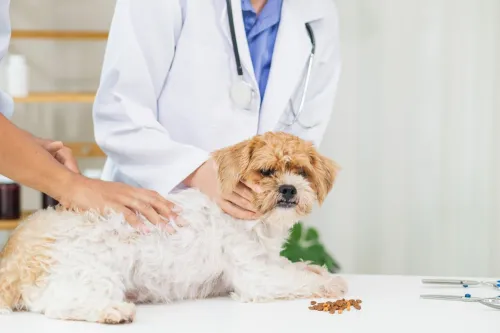
Refusing one meal in an otherwise normal adult dog can be watched until the next meal. A dog not eating because it is selective still shows normal energy and interest in food; a dog that approaches the bowl, backs away, drops food, chews on one side or drools may have oral pain.
Interest in treats does not rule out nausea or difficulty chewing or swallowing in dogs.
Contact a veterinarian if your dog eats less for several days, refuses food for 12 to 24 hours, or becomes completely anorexic. Call sooner for a puppy, senior dog, toy breed, diabetic dog or dog with existing illness. Sudden dog drinking more water, weight loss, weakness or reduced activity also warrants advice rather than observation.
Short-term appetite changes can follow:
- A recent diet change
- Vaccination, boarding or grooming
- New medication or recent surgery
- Heat, anxiety or another stressful event
These explanations do not justify waiting when the change persists or your dog loses weight, becomes weak, vomits, develops diarrhoea, or continues drinking more. A dog that wants food but cannot manage it is different from simple food refusal, and needs assessment for mouth pain, nausea, swallowing trouble or another illness.
Which appetite or activity changes require emergency care now?
Do not wait for a routine appointment if your dog shows any of these dog emergency signs:
- Repeated vomiting, a swollen or painful abdomen, or repeated retching without producing vomit
- Collapse, severe weakness, inability to stand, or unresponsiveness
- Pale, blue, or grey gums, or breathing difficulty
- Inability to urinate
- Suspected toxin ingestion in dogs, even when vomiting has not occurred
| Sign | Warning pattern | Immediate action |
|---|---|---|
| Gastric dilatation-volvulus | Restlessness, drooling, dog retching but not vomiting, and abdominal enlargement or pain | Go to an emergency veterinarian; do not wait for a very large swollen abdomen or attempt home treatment |
| Heatstroke | Heavy panting, restlessness, drooling, confusion, weakness, or collapse | Move your dog to shade or air conditioning, wet the coat with cool water, use airflow, and leave for emergency care |
| Possible poisoning | Sudden quietness, weakness, vomiting, or behaviour change after an exposure | Contact a veterinarian or animal poison service immediately; do not induce vomiting or give home remedies unless instructed |
A rapidly enlarging or painful abdomen with unproductive retching can signal gastric dilatation-volvulus, where delay threatens blood flow and organ function. Treat suspected toxin ingestion in dogs urgently even if the dog appears merely tired or quiet.
Heatstroke can worsen after the dog seems calmer. Cool while arranging transport, but do not delay emergency veterinary care to monitor whether normal behaviour returns.
When is reduced activity or unusual behaviour a medical warning?
Ordinary post-exercise tiredness improves after rest, with normal walking, eating and interaction. Lethargy in dogs is more concerning when you see sudden reluctance to walk, tiring after a short distance, sleeping much more than usual, dog exercise intolerance, limping, weakness, stumbling or inability to stand.
Pain, overheating, infection, anaemia, heart disease or neurological problems can cause these signs; a quiet dog does not automatically have one of them.
A sudden behaviour change in dogs deserves medical assessment before you label it training-related. Possible pain signs in dogs include hiding, sudden aggression, vocalising, restlessness, clinginess, pacing, staring, repeated posture changes, altered sleep or house-soiling.
- Arrange prompt veterinary assessment when activity or behaviour changes persist, worsen, appear suddenly, or occur with appetite loss, vomiting, breathing changes, abnormal gums or pain.
- Treat increased thirst and urination with weight loss, weakness or reduced activity as a reason for testing, not as normal ageing. Diabetes, kidney disease, adrenal disease, medication effects and other illnesses can look similar.
- Consider fear, loud noise, relocation, a new animal, heat or routine disruption when the dog is otherwise physically normal. If appetite, activity and behaviour change together, check for illness before training.
Gradual disorientation, nighttime wandering, reduced interaction, house-soiling or altered sleep in an older dog can fit canine cognitive dysfunction, but assess pain, kidney or endocrine disease, neurological illness and sensory loss first. Head pressing, confusion or inability to stand warrants urgent care.
How long can you monitor a mild change at home?
With one missed meal, normal drinking, breathing, dog gum colour, movement, urination and stool, an otherwise healthy adult dog can be watched until the next meal. Do not continue monitoring a sick dog at home beyond 24 hours without contacting a veterinarian.
Call sooner for a puppy, diabetic dog, senior dog, toy breed or dog with existing illness.
During observation, use a dog symptom diary:
- Measure food and water instead of judging “normal”; record the onset, progression, vomiting, stool, urination, medications, exercise, diet changes and possible toxins.
- Check gum colour, posture, ability to rise and the resting respiratory rate for dogs; record temperature if you measure it.
- Film unusual movement or behaviour for the veterinarian.
- Note whether the dog approaches the bowl or accepts treats. Interest in food does not rule out nausea or mouth pain; dropping food, chewing on one side, drooling or backing away can signal an oral problem.
Repeated vomiting, worsening weakness, breathing changes, abnormal gums, pain, refusal to drink or any emergency sign ends home observation. Do not give human painkillers, appetite stimulants or leftover antibiotics. Never force-feed when vomiting, swallowing difficulty or an obstruction is possible.
What should you expect when you consult a dog doctor?
A dog doctor consultation usually leads to one of three decisions: routine appointment for a stable, mild change; same-day consultation for persistent appetite loss, reduced activity or new behaviour with no emergency sign; or emergency care for collapse, breathing difficulty, abnormal gums, repeated retching, toxin exposure or inability to urinate.
| Priority | What happens next | When it applies |
|---|---|---|
| Routine | Book a veterinary examination for dogs | Mild, stable change with normal eating, drinking, movement and physical signs |
| Same day | Arrange an examination and targeted tests | Persistent change, weakness, pain, increased thirst or urination |
| Emergency | Seek immediate veterinary care | Collapse, severe weakness, breathing trouble, pale or blue gums, toxin exposure or a swollen painful abdomen |
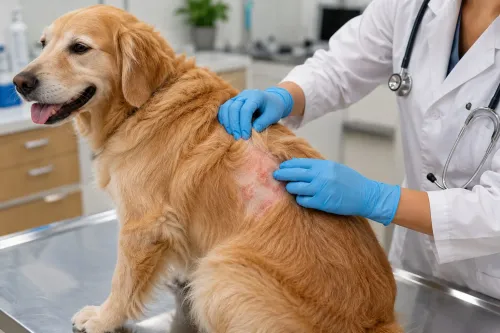
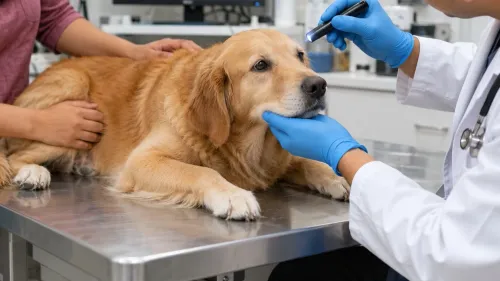
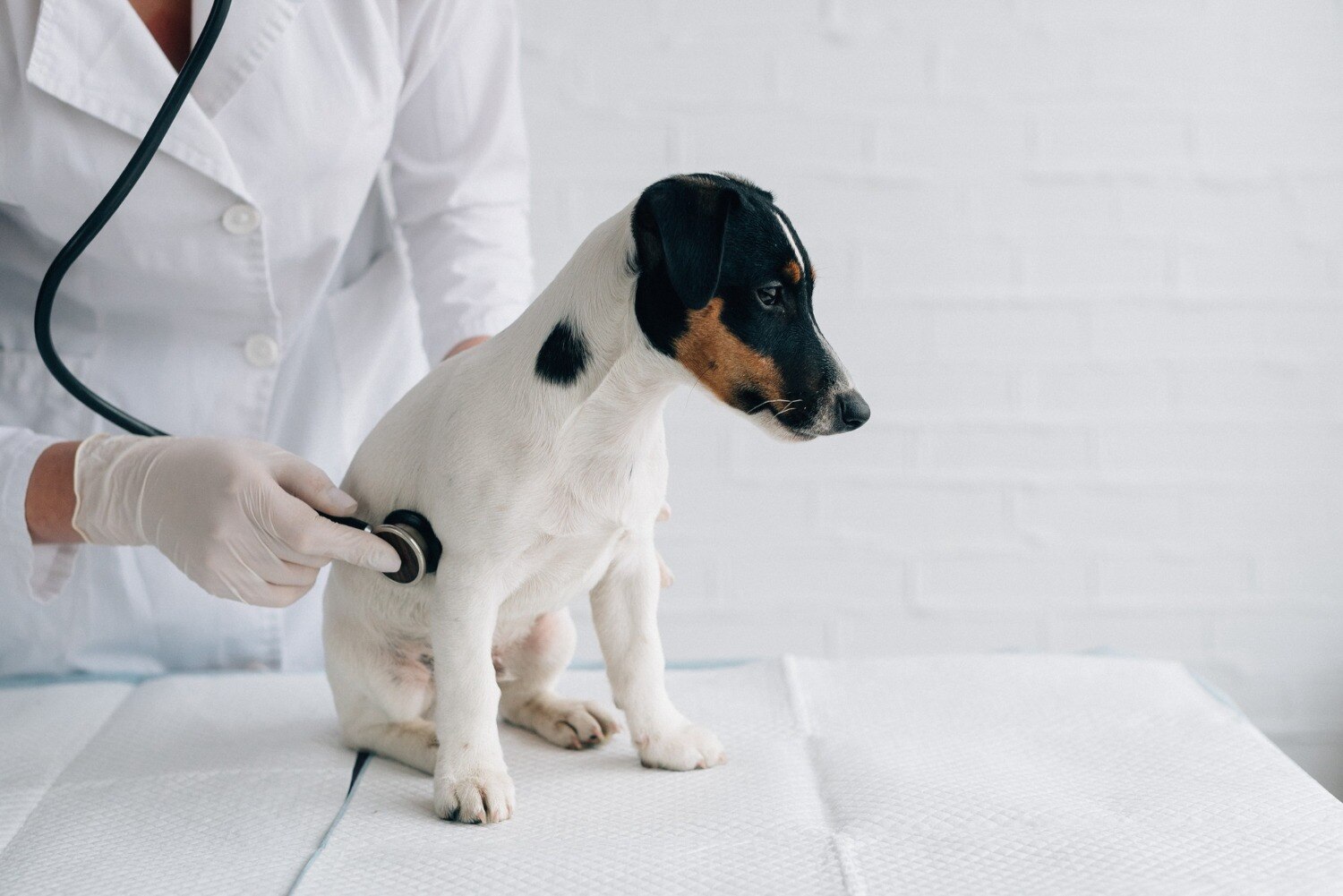
The veterinarian will ask when signs began, what your dog ate and drank, vomiting or stool changes, urination, medications, exposures and breathing effort. Expect weight and temperature checks, gum and hydration assessment, oral examination, abdominal palpation, gait and neurological examination, plus heart and lung auscultation.
Bring medication or toxin packaging, diet labels, a fresh stool sample when requested, and videos of seizures, coughing, limping or abnormal behaviour. Findings determine whether dog bloodwork and urinalysis, imaging or specialist referral is useful; advanced testing is not automatic, and it carries time, handling and financial trade-offs.
Pet Care Hospital- Best Pet Clinic in Dwarka is one local option for examination and follow-up in Dwarka and Palam Extension. A training-only concern with normal physical signs can start with a qualified trainer; medical assessment comes first when illness remains possible. Specialist services fit a suspected problem, not behaviour change alone.
Consult a trainer for when to see a dog behaviourist after medical causes are excluded.
Related services
Veterinary Neurology & Neurosurgery Veterinary Neurology & Neurosurgery At Pet Care Hospital with Dr. Satish, Veterinary Neurology & Neurosurgery focuses on the diagnosis and treatment of neurological conditions affecting... View service → |
Veterinary Diagnostic Services for Pets Veterinary Diagnostic Services for Pets Get reliable Veterinary Diagnostic Services for Pets at Pet Care Hospital with Dr. View service → |
Frequently asked questions
How much appetite change warrants a veterinary call?
Watch one missed meal in an otherwise normal adult dog until the next meal. Call a veterinarian when appetite loss continues, keeps returning, or comes with lethargy, vomiting, diarrhoea, weight loss or pain. Contact a veterinarian sooner when your dog approaches food but backs away, drops food, chews on one side or drools, because these signs point to oral pain.
Which appetite or activity changes require emergency care now?
Seek emergency veterinary care for collapse, difficulty breathing, repeated vomiting, a swollen or painful abdomen, suspected toxin or foreign-object ingestion, seizures, pale or blue gums, or inability to urinate. Do not wait for appetite to return when these signs appear.
When is reduced activity or unusual behaviour a medical warning?
Reduced activity becomes concerning when it is sudden, marked, persistent or paired with pain, fever, appetite loss, vomiting, diarrhoea, breathing changes or weakness. Hiding, restlessness, aggression when touched, confusion or repeated pacing also warrant a veterinary assessment.
How long can you monitor a mild change at home?
Monitor a mild change only when your dog is alert, drinking, comfortable and free from other symptoms. Recheck at the next meal and over the following day. Call a veterinarian if the change persists, worsens or gains another symptom; seek emergency care for severe or rapidly developing signs.
What should you expect when you consult a dog doctor?
Expect questions about when the change began, food and water intake, stools, urination, vomiting, medications, possible toxins and recent events. The veterinarian will examine your dog, including the mouth, gums, abdomen, hydration, temperature and vital signs, then recommend tests or treatment based on the findings.
Related services
Veterinary Cardiology & Heart Care for Pets Veterinary Cardiology & Heart Care for Pets At Pet Care Hospital with Dr. Satish, we provide compassionate Veterinary Cardiology & Heart Care for Pets to help identify and manage heart-related... View service → |
Veterinary Endoscopy for Pets At Pet Care Hospital with Dr. Satish, Veterinary Endoscopy provides a minimally invasive way to diagnose and treat certain conditions in pets. View service → |