

Breathing trouble, collapse, poisoning, heatstroke, urinary blockage, and prolonged seizures need immediate veterinary assessment; other changes need a same-day visit, a prompt appointment, or routine care. By the end, you will be able to place common symptoms in the right urgency category, prepare useful information, and know what to ask about examination, tests, treatment, and follow-up.
Key takeaways
- Seek emergency care for breathing trouble, collapse, blue gums, or uncontrolled bleeding.
- Book a clinic appointment for persistent vomiting, diarrhoea, pain, or behaviour changes.
- Bring symptom details, medication lists, and relevant records to the examination.
- Return promptly if your dog worsens or treatment produces no clear improvement.
Which dog symptoms require emergency veterinary care right now?
Take your dog to an emergency veterinary hospital now for difficulty breathing in dogs, collapse, unresponsiveness, blue, gray, or very pale gums, uncontrolled bleeding, severe pain, or rapidly worsening weakness. Call the clinic while arranging transport so staff can prepare triage, oxygen, or resuscitation equipment.
- Repeated dry retching with a swollen or tight abdomen, restlessness, or weakness can signal gastric dilatation-volvulus (GDV), also called bloat in dogs. Do not watch it at home.
- Inability to urinate is an emergency, especially with straining, pain, vomiting, or a firm abdomen.
- A seizure lasting over five minutes, repeated seizures without recovery, or multiple seizures within 24 hours needs immediate care. Keep hands away from the mouth; a first seizure also needs examination.
- Serious trauma requires transport with movement kept minimal. Support the body on a firm surface.
- A cloudy or bulging eye, unequal pupils, visible injury, sudden vision loss, or a protruding eyeball needs urgent assessment.
| Dog emergency signs | Decision | Immediate action |
|---|---|---|
| Heatstroke | Emergency even after improvement | Use cool or tepid water and airflow; avoid ice-water immersion |
| Suspected poisoning | Emergency even if normal | Do not induce vomiting or give milk, oil, or salt unless directed |
| Eye change | Immediate examination | Avoid human eye drops and transport promptly |
Poisoning, heatstroke, GDV, urinary obstruction, and trauma can cause delayed kidney injury, shock, internal damage, or circulation failure. Apparent improvement does not make them safe to monitor at home.
When do vomiting, diarrhoea, pain, or behaviour changes need a clinic appointment?
One mild vomiting episode in a bright adult dog can be monitored briefly after veterinary guidance, with small amounts of water offered frequently. Arrange a same-day dog clinic visit for persistent vomiting in dogs, repeated vomiting over one day, blood in vomit, abdominal pain or distension, inability to keep water down, or marked tiredness.
1. Book a prompt examination for diarrhoea lasting more than 24 hours, a dog not eating for 24 hours, persistent coughing, increased thirst or urination, weight loss, limping that does not improve with rest, unusual tiredness, ongoing pain, persistent scratching, ear odour, bad breath, or a new lump.
2. Seek earlier assessment for a puppy, senior, pregnant dog, brachycephalic breed, diabetic dog, or dog receiving steroids or chemotherapy. Do the same for heart, kidney, liver, or seizure disease; dehydration, infection, obstruction, pancreatitis, medication effects, and rapid deterioration carry greater concern in these patients.
3. Phone before arriving if your dog is coughing, sneezing, has nasal discharge, vomiting, or diarrhoea. The clinic can arrange separation, isolation, or another safer examination plan for a potentially contagious infection.
A first seizure needs examination even if it ends quickly, because toxin exposure, low blood sugar, liver disease, or a brain lesion can resemble epilepsy. Time the event and keep your hands away from the dog’s mouth. Delaying care for worsening symptoms increases the risk of dehydration, obstruction, organ injury, or severe illness.
What happens during a dog examination, and which care setting is appropriate?
A physical dog examination finds problems an online symptom search cannot measure, localise, or safely rule out. The veterinarian asks when signs began, whether they are worsening, possible exposures, appetite, drinking, urination, stool, vomiting, activity, vaccination, medicines, and previous disease.
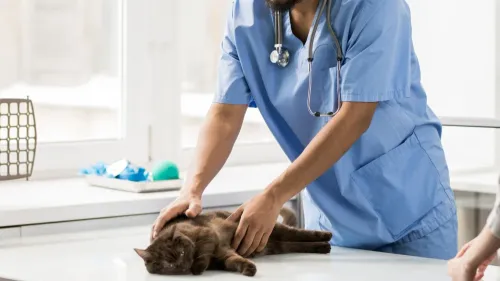
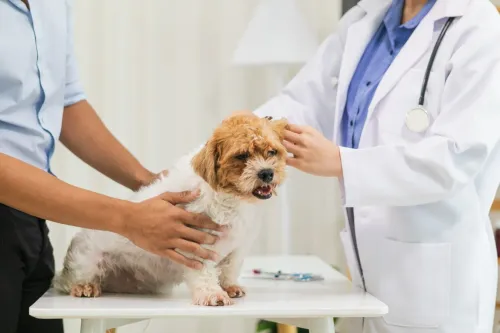
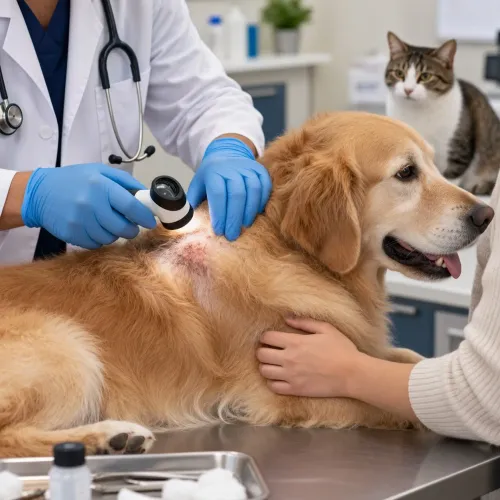
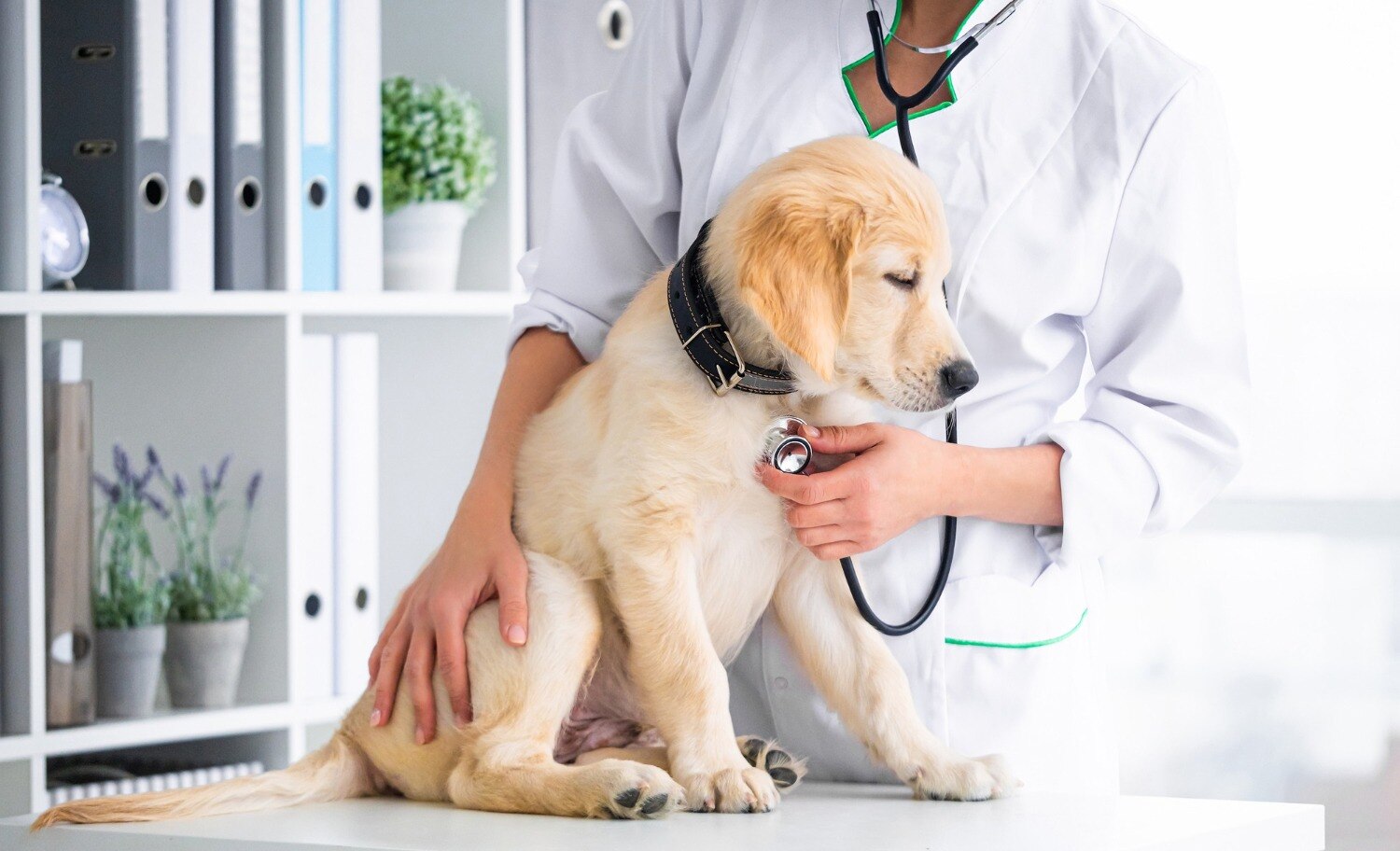
During the examination, expect temperature, heart rate, respiratory rate, gum colour, capillary refill, hydration assessment, abdominal palpation, and joint and neurological checks. The veterinarian also inspects the ears, eyes, mouth, skin, lymph nodes, and overall body condition.
| general dog clinic versus emergency hospital | Best use | When it applies |
|---|---|---|
| General dog clinic | Examination and initial treatment | Most stable, non-emergency illness |
| Emergency hospital | Rapid triage, stabilisation, intensive monitoring | Collapse, breathing difficulty, pale or blue gums, severe pain, or rapid deterioration |
| Mobile veterinarian | Assessment at home | A stable dog that cannot travel safely |
| Teleconsultation for dogs | Triage and advice | Deciding urgency; it cannot replace hands-on assessment |
| Specialist referral | Advanced care or opinion | Surgery, advanced imaging, intensive monitoring, or specialist assessment |
Testing follows examination findings, not every symptom. Options include a complete blood count, serum biochemistry, urinalysis, faecal testing, X-ray, ultrasound, cytology, or another targeted test.
Pet Care Hospital- Best Pet Clinic in Dwarka can provide a practical local starting point for physical assessment and initial treatment, then help arrange referral when the findings require advanced care. Call before arrival if coughing, sneezing, nasal discharge, vomiting, or diarrhoea could indicate infection.
Related service
Veterinary Diagnostic Services for Pets Veterinary Diagnostic Services for Pets Get reliable Veterinary Diagnostic Services for Pets at Pet Care Hospital with Dr. View service → |
How should you prepare for the visit, and what treatment might follow?
Bring vaccination records, current medicine names and doses, the symptom timeline, recent food and exposure history, videos of seizures or abnormal movement, photographs of stool or vomit, and suspected toxin packaging. For what to bring to a dog clinic, add a fresh urine or stool sample when requested.
- Use a carrier or secured harness for safe dog transport. Support an injured body and minimise movement after trauma. Ask the clinic about muzzle use because pain or fear can cause biting; never muzzle a dog struggling to breathe or vomiting.
- Fast your dog only when the clinic requests it. Do not give ibuprofen, naproxen, paracetamol, aspirin, milk, oil, salt, or another home remedy without veterinary direction. After a human drug or toxin exposure, call promptly; dog poisoning first aid does not mean inducing vomiting at home.
- Expect the veterinarian to build a veterinary treatment plan from the examination and test results. Possible care includes pain control, fluids, anti-nausea medication, wound care, indicated antibiotics, parasite treatment, splinting, surgery, observation, or referral.
Attendance takes time, and the plan may involve repeat visits, sample collection, fasting, or sedation. Those inconveniences are smaller than the risks of delayed care, including dehydration, worsening infection, obstruction, internal injury, or shock. Phone before arrival if your dog coughs, sneezes, has nasal discharge, vomits, or has diarrhoea so the clinic can arrange separation.
How do you know whether treatment is working, and when should you return?
After the appointment, judge dog treatment follow-up by comparing progress with the trend your veterinarian described, not by one good hour. Before leaving, ask for:
- The diagnosis or working diagnosis, test results, medicine dose and duration, expected side effects, diet and activity restrictions, and the exact symptom requiring an earlier return.
- The veterinary recheck appointment date, emergency contact, and instructions for missed doses or worsening symptoms.
Contact the clinic promptly to learn when to return to the veterinarian if pain worsens, vomiting continues, your dog cannot keep medication down, or new breathing difficulty, lethargy, fever, wound discharge, dehydration, or failure to eat or drink appears. These signs can mean treatment is failing or the disease is progressing.
Waiting can save travel and appointment effort, but it can also allow dehydration, infection, obstruction, organ injury, internal bleeding, or shock to worsen. The result may be emergency care, hospitalisation, repeat testing, or surgery instead of a simpler follow-up.
Use preventive dog examination visits to find problems before a crisis. Healthy adult dogs generally need at least annual examinations; senior dogs and dogs with chronic disease often benefit from visits about every six months, with the interval set by the veterinarian.
Examination and risk-based testing can reveal obesity, parasites, heart or lung abnormalities, dental disease, and age-related illness before obvious symptoms appear.
Frequently asked questions
Which dog symptoms require emergency veterinary care right now?
Go to an emergency veterinary hospital for difficulty breathing, collapse, unresponsiveness, blue, gray, or very pale gums, uncontrolled bleeding, severe pain, or rapidly worsening weakness. Call ahead so the team can prepare triage, oxygen, or resuscitation equipment.
When do vomiting, diarrhoea, pain, or behaviour changes need a clinic appointment?
Arrange a clinic appointment when these symptoms persist, recur, become severe, or occur with weakness, dehydration, blood, refusal to eat, or other changes. Sudden severe symptoms require urgent assessment.
What happens during a dog examination?
The veterinarian takes a history, checks vital signs, examines your dog from nose to tail, and decides whether testing, medication, hospitalisation, surgery, or referral is appropriate.
How should you prepare for your dog’s clinic visit?
Record when symptoms started, their frequency, possible exposures, food and water intake, medications, and changes in behaviour. Bring medication packaging, medical records, and photographs or samples when safe to collect them.
How do you know whether treatment is working, and when should you return?
Track appetite, drinking, energy, pain, vomiting, diarrhoea, breathing, and other instructed measures. Contact the clinic if your dog worsens, develops a new emergency sign, cannot take treatment, or fails to improve within the veterinarian’s stated timeframe.