

A cat that eats less, grooms differently, hides, vocalises, or avoids the litter box may be showing pain or illness before appearing visibly sick. You will be able to separate emergency signs from changes that need a prompt appointment, know how long different cats can safely be watched, and prepare useful information for the veterinary visit.
Key takeaways
- Book a vet visit when appetite loss lasts a day or follows other symptoms.
- Treat appetite loss as urgent in kittens, elderly, overweight or ill cats.
- Arrange a medical check for sudden grooming changes, hiding or unusual aggression.
- Record food intake, litter-box use, symptoms, timing and behaviour before the visit.
Which eating changes mean you should book a cat-doctor appointment?
A cat not eating warrants a veterinary appointment if refusal lasts a day, or sooner if the cat is a kitten, elderly, overweight, or already ill. Book promptly for reduced appetite in cats that continues beyond one meal, keeps returning, or comes with vomiting, lethargy, pain, or weight loss.
| Eating change | Book an appointment when | Why it matters |
|---|---|---|
| Refuses food | No food for 24 hours; sooner for vulnerable cats | Dental or oral pain, gastrointestinal disease, infection, cancer, medication effects, or stress can look like fussiness |
| Eats less | The change lasts a day, recurs, or causes weight loss | Kidney disease, nausea, infection, and other illness need assessment |
| Cat eating more and losing weight | Arrange a prompt examination | Diabetes mellitus and hyperthyroidism commonly produce this pattern |
| Eats unusually fast or slowly | The change persists or appears with choking, pain, vomiting, or weight change | Dental disease, nausea, gastrointestinal problems, or stress can alter eating speed |
| Increased thirst in cats | Report new thirst, especially with cat drinking and urinating more | Kidney disease, diabetes mellitus, and hyperthyroidism are possible |
Do not automatically restrict calories because an apparently hungry cat is losing weight. Record food, water, urine, stool, vomiting, and weight, then take a short video if eating behaviour looks abnormal. The veterinarian will start with a history, weight trend, physical and oral examination, followed by targeted blood, urine, blood-pressure, imaging, or parasite tests.
How long can you watch appetite loss, and when is it an emergency?
Do not watch a cat that has stopped eating for several days. If you are asking how long can a cat go without eating, the safer answer is: not long enough to wait casually, because inadequate intake can quickly cause weakness and worsen an underlying illness.
- Healthy adult cat: offer its usual food and contact a veterinarian if it refuses food for 24 hours. Arrange care sooner if it is lethargic, hiding, losing weight, or drinking or urinating differently.
- Kitten: call the same day for a kitten that refuses food, because it has fewer energy reserves and can deteriorate quickly.
- Senior cat: arrange a prompt examination rather than waiting 24 hours, especially with dental pain, kidney disease, vomiting, or weight loss.
- Overweight cat: seek veterinary advice the same day. Prolonged fasting can trigger hepatic lipidosis, or fatty liver disease, when stored fat overwhelms the liver.
- Cat with known illness: call the treating veterinarian promptly; diabetes, kidney disease, and other conditions can become unstable after a missed meal.
Go for immediate veterinary care, not a routine booking, for any of these signs:
- Repeated vomiting, or cat vomiting and not eating
- Cat cannot keep water down
- Suspected poisoning; “cat ate poison emergency” means calling an emergency clinic immediately
- Breathing difficulty or collapse
- Cat straining to urinate with little or no urine, crying in the litter box, or rapidly worsening distress, especially in a male cat
This last pattern can indicate a life-threatening urinary blockage.
What grooming changes suggest pain or illness rather than a habit?
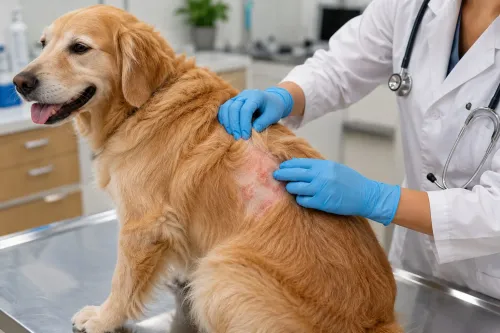
Book an appointment when cat grooming changes persist, recur, or affect one body area. A cat licking bald spot may be responding to fleas, allergy, infection, parasites, or pain from muscles, joints, or internal organs—not a psychological habit.
- Arrange a check for cat overgrooming, broken hairs, bald patches, redness, scabs, or repeated licking of one spot. Investigate medical causes before calling hair loss psychogenic.
- Arrange a check for cat matted fur, greasy or dandruff-covered coat, claw overgrowth, or a cat stopped grooming. Arthritis, obesity, dental pain, reduced mobility, systemic illness, and general weakness can make self-care difficult.
- Check for fleas and other parasites even if you do not see them; one bite can trigger intense itching, while allergies and infection can spread or worsen without treatment.
- Seek prompt veterinary advice when grooming changes occur with hiding, poor appetite, altered posture, reluctance to jump, vomiting, weight loss, or unusual breathing.
A purring cat can still be frightened, stressed, or in pain, so purring does not clear it. Compare grooming with appetite, movement, posture, coat condition, and social behaviour; sudden decline deserves an examination rather than an assumption of ageing or anxiety.
Which behaviour changes need a medical check?
Sudden behaviour changes need a veterinary appointment, even if your cat still eats. A cat behaviour change can signal pain, urinary disease, constipation, diarrhoea, arthritis, kidney disease, or another illness—not anxiety, stubbornness, spite, or a training problem.
| Change | Book an appointment when | Possible concern |
|---|---|---|
| Hiding or reduced play | The change lasts beyond a brief disturbance, or occurs with cat hiding and not eating | Pain, nausea, infection, or systemic illness |
| Aggression, clinginess, or unusual vocalisation | It begins suddenly, especially with handling, movement, or rest | Pain, fear caused by illness, or neurological disease |
| Confusion or sleep changes | Your cat seems disoriented, restless at night, or unusually drowsy | Kidney disease, pain, metabolic illness, or neurological problems |
| Reluctance to jump | Your cat stops using favourite perches or avoids stairs | Arthritis, injury, or back pain |
| Litter-box avoidance | Your cat starts urinating or defecating elsewhere, especially suddenly | Urinary pain, constipation, diarrhoea, arthritis, or box aversion |
A cat unusual meowing, sudden aggression in cats, or hiding deserves more urgency when appetite, thirst, urine, stool, or grooming also changes. Purring does not rule out pain; cats can purr while frightened or uncomfortable.
Repeated straining to urinate is an emergency, not a behaviour issue. Seek immediate care if your cat repeatedly enters the box, cries, produces little or no urine, or becomes increasingly distressed, especially if male. Arrange prompt assessment for cat avoiding litter box behaviour even without straining, because urinary obstruction can worsen quickly.
What should you record before the cat-doctor appointment?
A precise record makes your cat doctor appointment more useful. Start a cat symptom diary on the day you notice a change, and write what to tell the veterinarian about your cat without relying on memory.
1. Record the exact start date, what changed first, and whether each symptom is improving, worsening, or fluctuating. Note food eaten, water intake, urine volume and frequency, stool, vomiting, body weight, and every medication or supplement change.
2. Measure portions in grams when possible, and save the food name, flavour, package, and feeding schedule. Bring medication containers or clear photos showing the drug name, strength, dose, and last administration time.
3. Take a short video of unusual movement, vocalisation, breathing, grooming, or litter-box behaviour. Film from a safe distance; handling a painful or frightened cat can worsen distress.
4. Write down changes in sleep, play, hiding, jumping, social contact, and posture. Include whether appetite, thirst, grooming, or behaviour changes appeared together.
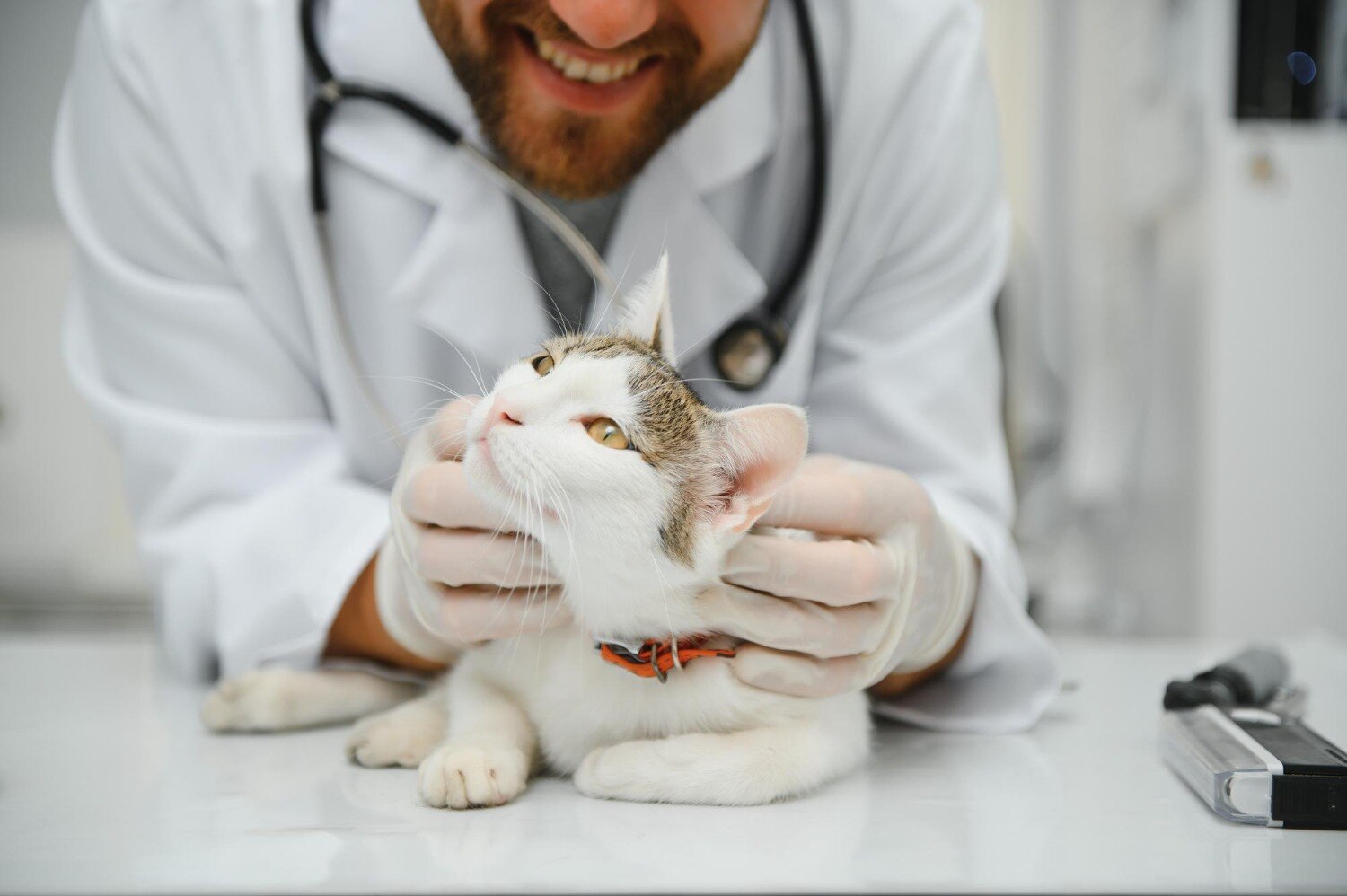
A cat veterinary examination usually begins with the history, physical examination, weight trend, and oral examination. The findings determine whether the veterinarian adds blood pressure measurement, cat blood and urine tests, imaging, or parasite testing; testing everything immediately is not always the best first step.
If changes persist or occur together, Pet Care Hospital- Best Pet Clinic in Dwarka can use these records to assess the pattern rather than one isolated symptom.
Frequently asked questions
Which eating changes mean I should book a cat-doctor appointment?
Book an appointment for refusal beyond one day, reduced appetite lasting beyond one meal, recurring appetite changes, weight loss, vomiting, lethargy or signs of pain.
How long can I watch appetite loss, and when is it an emergency?
Do not wait a day when a kitten, elderly cat, overweight cat or cat with an existing illness stops eating. Seek urgent veterinary help when appetite loss comes with repeated vomiting, severe lethargy, pain or other rapid deterioration.
What grooming changes suggest pain or illness rather than a habit?
Arrange a medical check for sudden neglect of grooming, greasy or matted fur, excessive licking, bald patches, chewing one area, or grooming changes paired with pain, itching or reduced movement.
Which behaviour changes need a medical check?
Contact a veterinarian for sudden hiding, aggression, unusual vocalising, disorientation, reduced interaction, house-soiling or changes in sleep and activity, especially alongside eating or grooming changes.
What should I record before the cat-doctor appointment?
Record when the change began, food and water intake, vomiting, litter-box output, grooming, activity, sleep, medications, weight changes and videos of unusual behaviour.