

Cats are often good at hiding discomfort, which can make health problems difficult for owners to recognise. A cat doctor can assess changes that may otherwise be dismissed as normal behaviour, especially when appetite, weight, activity, grooming, or litter habits change.
For households in Tilak Nagar, Delhi, understanding the role of regular feline veterinary care can help support healthier routines for cats of different ages.
Small Changes Can Carry Useful Clues
Owners should pay attention to changes such as:
- Eating less than usual
- Drinking noticeably more
- Losing weight without explanation
- Hiding more frequently
- Difficulty jumping
- Changes in grooming
- Persistent bad breath
- Altered litter-box habits
- Repeated vomiting
These signs do not automatically indicate a particular disease, but they can provide useful information for a veterinary examination.
What Happens During Feline Checkups
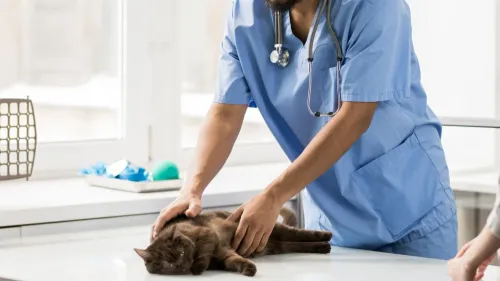
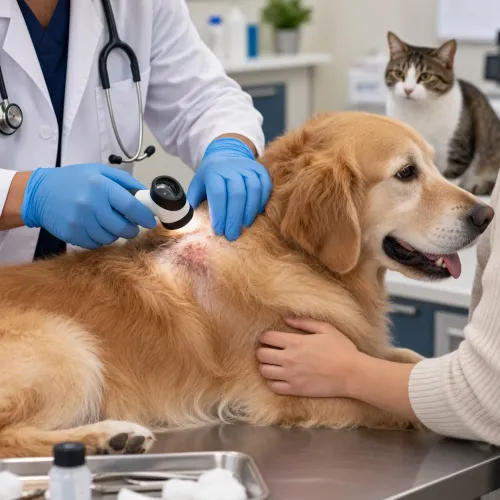
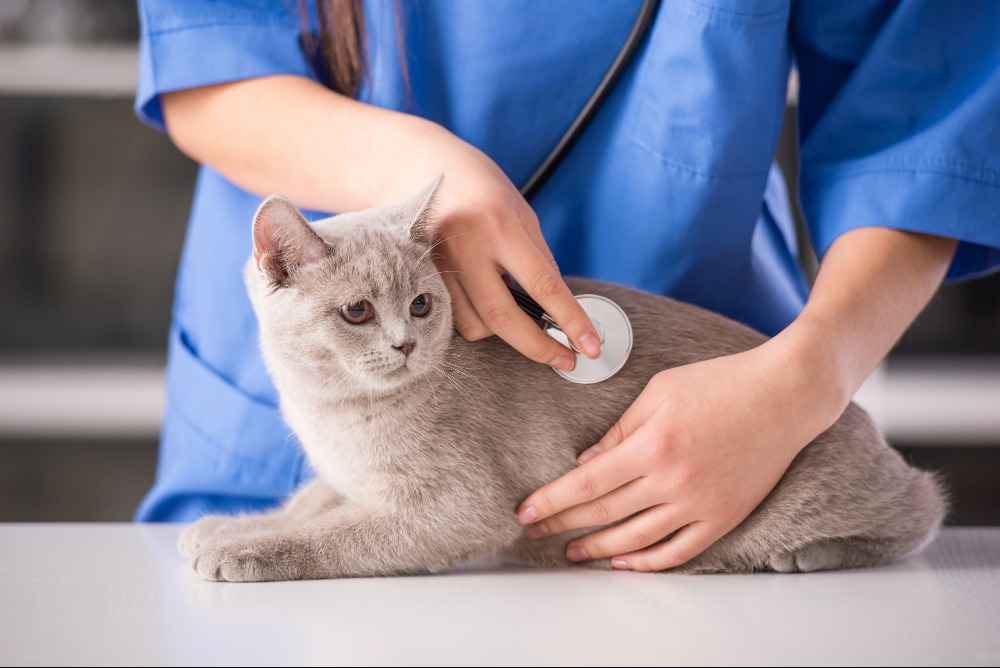
A veterinarian may examine the cat's weight, eyes, ears, mouth, skin, coat, heart, lungs, abdomen, and mobility. Vaccination status and parasite prevention can also be reviewed.
Older cats may require additional monitoring because kidney, thyroid, dental, metabolic, and mobility-related concerns can become more relevant with age. Blood testing may be recommended when symptoms or age make further investigation appropriate.
Making Visits Less Stressful
Cats can become anxious during travel and unfamiliar environments. Using a secure carrier and allowing the cat to become accustomed to it before the appointment may make transportation easier.
Pet Care Hospital provides veterinary healthcare support for companion animals in Delhi.
For cat owners in Tilak Nagar, choosing a veterinary provider that communicates clearly and takes time to understand the animal's history can support better long-term care. Keeping vaccination records, previous test reports, medication details, and notes about behavioural changes can also help the veterinarian make a more informed assessment.